Polycystic Ovary Syndrome (PCOS) Symptoms

Polycystic ovary syndrome, often shortened to PCOS, is a common hormonal condition. If your cycles feel unpredictable, your skin is playing up, or your hair is doing its own thing, you are not alone. PCOS is common, and there is plenty you can do to feel more in control. This guide walks you through what symptoms can look like, in plain language, so you know what to watch for and when to check in with a professional.
PCOS symptoms
One of the biggest clues is your period pattern. If your periods are irregular, very far apart, or sometimes skip a month, it could be because you are not ovulating regularly. That can also make trying for a baby take longer, which can feel stressful, but people with PCOS may conceive with support.
Skin and hair changes are another common sign. You might notice acne that sticks around past your teens, or extra hair on areas like the chin, tummy or chest. On the flip side, the hair on your head can feel thinner . None of this is your fault, and there are options to help you feel more like yourself again.
Weight can be trickier to manage with PCOS, and it is easy to be hard on yourself about it. Be kind. Small, steady habits make a real difference. Some people also see darker, velvety patches of skin in areas like the neck or underarms.
You may hear the phrase polycystic ovaries and imagine lots of painful cysts. In reality, it usually means the ovaries have many tiny follicles on ultrasound. It is one piece of the PCOS picture, but you do not need every sign to get help. If the symptoms above sound familiar, chatting to your GP or nurse is a great first step.
PCOS pain
A quick note on pain. Day to day pelvic pain is not a classic PCOS symptom. Some people with PCOS have period cramps like anyone else, but constant or severe pain is a flag to get checked for other causes. If pain comes on suddenly, is intense, or you feel unwell with it, seek medical advice promptly.
Taking Evana® or Ultravana® with PCOS
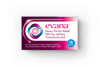
Conditions such as PCOS can lead to irregular or heavy periods. Evana® contains tranexamic acid, which can help to break the cycle of heavy, disruptive periods. However, Evana® is not suitable if you have irregular periods. In these cases, other treatments, including the contraceptive pill, may already be in use or may be more appropriate. If you are taking the contraceptive pill, you must not take Evana. Always check with a healthcare professional to make sure Evana® is right for you. If you have been diagnosed with PCOS, you should speak with your pharmacist or a doctor before taking Evana.
Ultravana® is indicated for menstrual pain, and people who do not have periods may not experience this symptom. If you have painful periods, it is important to tell the pharmacist if you have PCOS or are trying to conceive. They can talk this through with you and make sure you receive the right advice and a treatment that is suitable for you.
What to do next
If you think PCOS could be behind what you are noticing, keep a simple symptom diary for a month or two. Take it to your GP. They may talk through your cycle, organise blood tests, and sometimes an ultrasound. From there, your GP will talk through possible treatments .
Most importantly, you are not doing anything wrong. With the right advice and a bit of patience, PCOS symptoms can become much more manageable. You have got this.
Sources
https://www.nhs.uk/conditions/polycystic-ovary-syndrome-pcos/symptoms/
https://www.mayoclinic.org/diseases-conditions/pcos/symptoms-causes/syc-20353439
https://www.bupa.co.uk/health-information/womens-health/pcos
https://patient.info/womens-health/polycystic-ovary-syndrome-leaflet
https://www.bupa.co.uk/health-information/womens-health/pcos#treatment
https://www.leedsth.nhs.uk/patients/resources/polycystic-ovary-syndrome/