The Words Social Media Doesn’t Want Us to Say About Women’s Health

You might have seen more people talking about women’s health censorship on social media recently. Many women, creators and health brands have noticed that when they use normal, medically accurate words, their posts can be hidden, restricted or shown to fewer people. But talking about women’s health should not feel risky. If you want to post about periods, heavy bleeding, menopause, vaginal health or symptoms like discharge, you should be able to use the correct words without worrying that your content will quietly disappear.
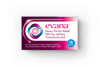
At Evana®, this matters to us because we talk about periods every day. Heavy bleeding, menstrual health and period pain are real things women search for and live with. If the words they need are pushed out of sight, it becomes harder for them to find clear information and support.
What does shadowbanning mean?
Shadowbanning is when content is limited, hidden or made less visible on a social media platform, often without a clear notification or explanation. The post might still exist, but fewer people see it. It may not appear in searches, it may be shown to fewer non-followers, or it may not perform in the way it usually would.
This can happen for lots of reasons, and platforms do need rules to protect users from genuinely harmful or explicit content. The issue is when normal, medically accurate women’s health language gets treated as if it is inappropriate.
Words like period, vagina, cervix or menopause are not offensive. They are body parts, symptoms and health experiences. When these words are filtered, restricted or flagged, it can send the message that women’s bodies are something to be avoided rather than understood.
Why does this happen to women’s health content?
One of the concerns around women’s health censorship is that social platforms and algorithms may not always understand context. A post that uses the word “vagina” in an educational way might still be treated as adult content, even if it is simply explaining anatomy or encouraging someone to seek medical advice.
That matters because there is a big difference between explicit content and health education. A post about heavy periods is not the same as adult entertainment. A post explaining vaginal discharge is not inappropriate. A post about menopause, PCOS, endometriosis or fibroids is not something women should have to hunt for in the dark corners of the internet.
These are everyday health topics, and women deserve to be able to learn about them openly.
Which women’s health words can be affected?
The difficult thing is that the words most likely to be softened, avoided or censored are often the
exact words women need when they are trying to search for answers.
Menstrual health words
Period, periods, menstruation, menstrual cycle, period blood, heavy bleeding, heavy
periods, clots, tampon, pad.
Anatomy words
Vagina, vulva, cervix, uterus, womb, labia, clitoris.
Women’s health words
Menopause, perimenopause, PCOS, endometriosis, fibroids, adenomyosis, PMS, PMDD, vaginal discharge, pelvic pain, miscarriage, fertility and breastfeeding.
And really, that is the point. None of these words are shocking. They only feel shocking
because we have spent so long being taught to whisper them.
Why is censoring period words a problem?
Most of us have grown up with some level of awkwardness around periods. Maybe you remember hiding a tampon up your sleeve on the way to the toilet, using code words with friends or feeling embarrassed about buying pads, even though there was absolutely nothing to be embarrassed about.
So when social media starts hiding or limiting period content, it can reinforce the same old message: keep it quiet.
The problem is that silence does not help anyone. If someone is worried that their period is suddenly much heavier than usual, they need clear information. If they are passing large clots, changing protection very frequently or feeling anxious about leaking, they need language that helps them understand what is happening. They should not have to decode vague phrases or guess which emoji means what.
This is especially important because heavy periods can affect daily life in a big way. They can make you plan your clothes, work day, commute, sleep, social plans, and exercise around bleeding. They can make you feel less confident leaving the house. They can make you feel like your period is running the diary.
Using proper words helps women recognise their symptoms, search for support and start conversations with healthcare professionals when they need to.
Why we will keep saying the words
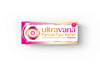
Evana® is a heavy period relief medicine, and Ultravana® is a period pain relief medicine, so using clear period language is part of what we do. We cannot talk properly about heavy periods without saying heavy bleeding. We cannot explain menstrual health without saying period or menstrual cycle. We cannot support women if we make the language so vague that no one knows what we mean.
We do not need code words for real bodies
Of course, we understand why people use code words online. If your posts keep being flagged or hidden, it is natural to start adapting your language to try to get around it. But it should not have to be that way.
Women should not have to disguise the word vagina. They should not have to write “p3riod” or use a red dot emoji because the actual word might reduce their reach. They should not have to make their health sound softer, smaller or less direct just to be allowed into the conversation.
The more we use the correct words, the more normal they become.
Let’s keep the conversation visible
Women’s health content should not be pushed into the shadows. It should be easy to find, easy to understand and easy to talk about, especially for people who are looking for help.
Because when we talk openly about periods, we make it easier for someone else to ask a question. When we use the correct words for anatomy, we make it easier for someone to explain a symptom. When we talk about heavy bleeding without shame, we make it easier for someone to realise they do not have to simply put up with it.
At Evana®, we will keep talking about periods, heavy bleeding and menstrual health in the clearest way we can. Not to be controversial, but because women deserve honest information about their own bodies.
And if social media does not always like those words, we will keep saying them anyway.
Resources
https://www.walesonline.co.uk/news/uk-news/mps-debate-social-media
https://readmedium.com/its-no-wonder-why-women-s-health-is-routinely-censored-on-social-media
https://www.bodyform.co.uk/break-taboos/our-campaigns/vagina-uncensored/